

- (+44) 0208 450 3272
- Out Of Hours +44 (0) 7973 266501
- sean@electricbicyclecompany.co.uk
- Mon - Fri: 9:00 - 17:00
- Sat 10.00 - 14.00
Electric bikes have gone from “cool commuter toy” to “serious micromobility weapon of choice” — and with new tech, safety rules and transport changes this year, choosing the right e-bike in the UK now feels like picking a side in a dystopian bike-versus-train sitcom. From foldies that still sneak on city transport to cargo monsters that could carry a small rhino, here’s the no-nonsense guide to what’s out there in 2026.
At heart, an e-bike is just a bicycle with electrical help. A battery and motor give you a boost, so hills feel like flat roads and headwinds just feel breezy.
In the UK, if it meets Electrically Assisted Pedal Cycle (EAPC) rules — motor ≤ 250 W and assistance cutting out at 15.5 mph — you can treat it as a regular bike on roads and cycle paths with no licence, tax, MOT or registration required. Sundays Insurance
But if you want to go faster than that … well, welcome to the legally complicated world of speed-pedelecs and class distinctions (and yes there are different classes of e-bike defined by how the motor assists you).
There are a few axes people talk about when categorising e-bikes:
This is where things get fun — and where 2026 has real variety.
These are the bread-and-butter e-bikes for everyday life — think upright riding posture, sensible tyres, racks and lights. Ideal if you want to beat Tube crowds and keep your palms clean of train-tube-station fire drama. (Yes, folding bikes increasingly are the only e-bikes allowed on much of London’s underground network now due to safety bans on non-folders, so consider that if you mix trains + bikes).
Best for: Daily commuting, errands, urban cruising.
Tiny wheels, quick folds — and train-friendly perks that matter even more in 2026 thanks to transport restrictions in major cities. Perfect for apartment living and buses that still let bikes on board.
Best for: Mixed transport commuters, city dwellers.
If you’ve ever thought “I wish I could carry all my shopping, a kid, and maybe a kayak,” cargo e-bikes exist for that exact mission. Big frames, strong motors and excellent load capacity.
Best for: Families, businesses (deliveries), replacing car trips.
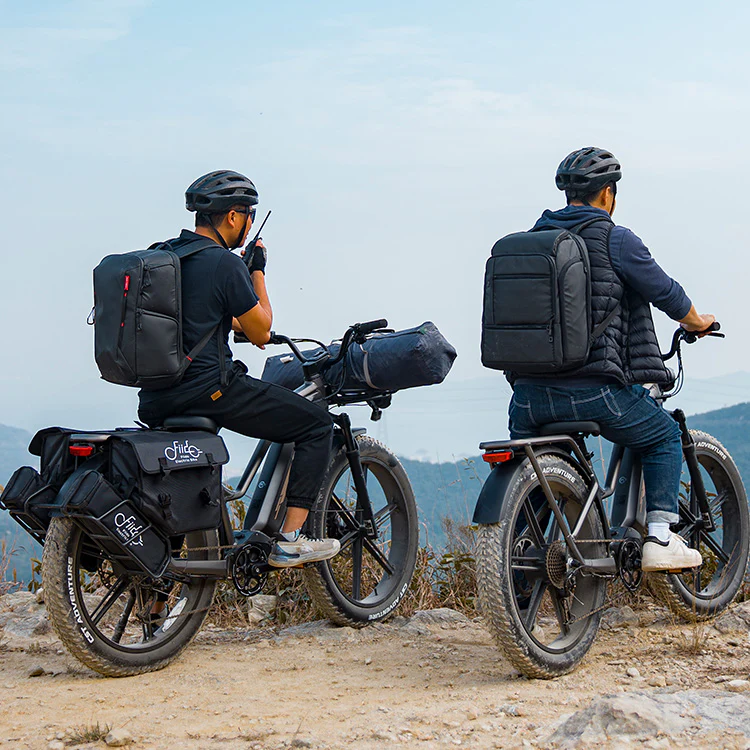
Powerful motors plus chunky tyres make climbs easier and trails more accessible. Whether you’re doing proper trail riding or just love a greenway, these bikes are a thrill.
Best for: Off-road exploration, adventure rides.
Mix road speed and trail toughness. Great if you want one bike to do everything — from canal paths to gravel backroads.
Best for: Versatile riders, leisure tours.
Sleek and fast, packed with tech. Perfect if your commute is long and you miss going fast.
Best for: Long distance commuters, fitness-focussed riders.
Battery energy densities have improved, giving many bikes 60–90 km on a charge — Brompton’s new featherweight Electric T Line is a standout here for urban riders.
While UK law sticks to EAPCs, global trends (especially in the US) around Class 1–3 bikes persist — they matter if you ride or buy internationally.
Folding e-bikes retain a practical advantage where full-size electrics are restricted on trains and subways due to fire risk concerns with batteries and mod kits. The Guardian
Here’s the short version to save your scrolling finger:
Electric bikes are now more capable and varied than ever in 2026. Whether you’re escaping traffic, carrying kids and cargo, or just enjoying the breeze, there’s a ride for you — and thankfully they all make hills feel like a polite suggestion rather than a challenge.


| Cookie | Duration | Description |
|---|---|---|
| cookielawinfo-checkbox-analytics | 11 months | This cookie is set by GDPR Cookie Consent plugin. The cookie is used to store the user consent for the cookies in the category "Analytics". |
| cookielawinfo-checkbox-functional | 11 months | The cookie is set by GDPR cookie consent to record the user consent for the cookies in the category "Functional". |
| cookielawinfo-checkbox-necessary | 11 months | This cookie is set by GDPR Cookie Consent plugin. The cookies is used to store the user consent for the cookies in the category "Necessary". |
| cookielawinfo-checkbox-others | 11 months | This cookie is set by GDPR Cookie Consent plugin. The cookie is used to store the user consent for the cookies in the category "Other. |
| cookielawinfo-checkbox-performance | 11 months | This cookie is set by GDPR Cookie Consent plugin. The cookie is used to store the user consent for the cookies in the category "Performance". |
| viewed_cookie_policy | 11 months | The cookie is set by the GDPR Cookie Consent plugin and is used to store whether or not user has consented to the use of cookies. It does not store any personal data. |